Guest Post by Marjorie DeLuca –
In August of 2022, I was counting down the days to the HNS UK conference in Durham City, my birthplace and the setting of several of my novels. Not only would I be revisiting my beloved Durham, but I was set to deliver a session. Then COVID struck, and I couldn’t make the flight from Canada. A devastating turn of events.
I realize a short article can’t replace an entire conference session, but I’d like to touch on one key aspect of my session; the importance of using vintage newspapers in research. These newspapers are incredible resources. They’re a time-machine—a door onto an era. Just step through and immerse yourself in the culture and zeitgeist of the time.
The British Newspaper Archives
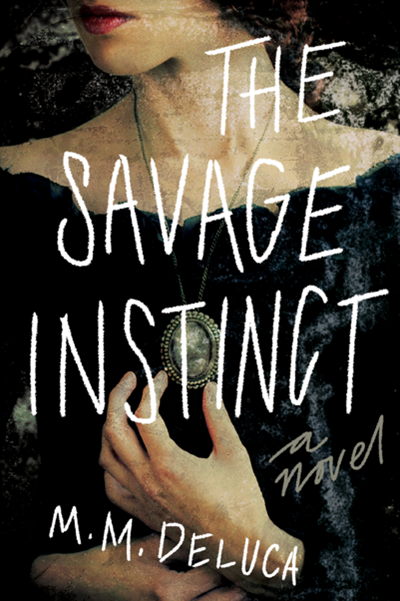
While writing my last historical suspense novel,The Savage Instinct, I needed facts, eye-witness accounts, opinions, and reactions to a sensational murder case, trial and execution. I’d read all the available non-fiction books, but when I discovered The British Newspaper Archives, I stumbled on a resource as powerful as first-hand interviews, a treasure-trove of details I could use to build the world of Durham,1873.
These archives can be found online at: (https://www.britishnewspaperarchive.co.uk), or in-person at the British Library, located at King’s Cross in London. The archive has 73,361,515 pages of newspapers online dating back to 1700. A limited selection is free for online viewing, but for a small fee, you can become a registered reader and access the entire collection. The collection ranges from small local rags to national and international publications, including specialised papers like the Illustrated Police News, an invaluable resource that comes complete with all the grisly details of crimes as well as graphic crime scene drawings.
Just one newspaper yields an incredible haul of information. For this post I’ve scanned through a copy of The Newcastle Courant from 1844. Here’s just a tiny fraction of my discoveries that could be used as inspiration for future stories or for authentic world-building.
Celebrity Endorsements Were Big in the Victorian Era
Seems important societal figures weren’t averse to lending their names to a product in exchange for a little extra money or free merchandise. The product in question is ‘Mr. Cockle’s Antibilious Pills’ recommended by four Dukes (including the Duke of Argyll), five Marquises, eighteen Earls, seven Viscounts, seventeen Lords, sixteen bishops (including Bishop of Durham and Calcutta), five Honourables including an Admiral, six Colonels, various Reverends and esquires as well as “numerous families of highest respectability”. Seems the upper crust men were over-indulging in so many rich foods they swore by Mr. Cockle’s medicine that proved “valuable in almost every form of indigestion with torpid bowels, inactive liver, gout and nervous irritability from a deranged state of stomach and bowels.”
Pigs Made Front Page News and Lemonade was Toxic
On the front page of the newspaper is a section called “General Hue and Cry: Taken up (Lost and found!).” A high priority item is a wandering pig found “at Hack Hall near Donnington. The owner may have it again by applying to Wm. Elliott and giving in the Marks and paying expenses.” The poor pig’s travels had been curtailed because “if not claimed within ten days, it would be sold to defray same.”
Also, further down the page, among a host of dwellings for let or sale including farms, a draper’s, public houses, a brewery (all with detailed descriptions); and a miscellany of items including furniture, a chestnut gelding, a man’s book of debts, is “a soda water and lemonade machine with leaden tanks,” described as a solid investment for an enterprising young businessman who probably didn’t realize he’d be poisoning his future customers!
Pubs and the Dinner Table Were Settings for Crime
Scanning through the pages I found many incidents involving alcohol: “A respectable looking young man charged with attempting to introduce a small quantity of whisky into the debtor’s prison.” Two men and one woman arrested as drunk and disorderly, an intoxicated man who “got into some company, was ill-treated and came to, to find his Geneva watch guard cut and his watch stolen.” As well, pubs were a hotbed of crime: a young woman named Mary Welch was, “charged with stealing nine shillings from the person of Robert Lister two o’clock Sunday morning” when she accosted him in the street, asked him where he was going, steered him to a nearby pub and allegedly robbed him. A young man, her associate in crime was seen running away. The case was dismissed for “Lack of evidence” and the enterprising young Mary released.
Sadly, violence could be triggered by seemingly innocuous topics. Take the “family named Graves, a widow and several children,” who were “at dinner when the conversation turned upon the providing of some articles of wearing apparel. Words arose between the eldest son (23), and a brother (17), when the latter plunged a knife into the abdomen of the former and the young man’s intestines instantly protruded. The poor fellow died at five o’clock the next morning.”
Theatre Was Wacky and Wonderful and Star Tours Were a Big Deal
The Theatre Royal Newcastle’s weekend production was headlined by none other than renowned star of the London stage, “Miss Helen Faucit, in positively her last appearance as Julia in The Hunchback.” Later in the same newspaper, it’s mentioned that “due to the crowded nature of the theatre, Miss Faucit was re-engaged.” One hopes that this change of events did not conflict with the Monday performance of “The Grand Spectacle of Blue Beard in which Mr. Wombwell’s stupendous elephant will appear.”
The Average Military Man Had a Tough Life
The newspaper reports a suspected plot by Welsh colliers to “undermine a road and blow up the Dragoons as they passed” and suggests that this plot was funded by respectable farmers, publicans and shopkeepers as a political protest. The endangered dragoons couldn’t even drown their sorrows in beer after Sir Charles Napier stated that “two regiments, in which flogging had been tried in vain, banished intoxication by subjecting every drunken soldier to fever treatment, that is, blistering and bread and water diet.”
I’ve mentioned just a tiny fraction of the details one can find in these newspapers. Details that come directly from the people of who observed, experienced and reported them. The newspapers are the next best thing to in-person interviews and provide fascinating vignettes of particular moments in time. What more do you need to develop your fictional world or find inspiration for your next story?
M.M. DeLuca is the bestselling author of The Perfect Family Man, The Secret Sister, The Pitman’s Daughter, the critically acclaimed historical suspense novel, The Savage Instinct, The Night Side and her latest The Divorce Party, She spent her childhood in the beautiful cathedral city of Durham, which has often appeared as a setting in her novels. She moved to Canada where she studied Advanced Creative Writing with Pulitzer Prizewinning author, Dr. Carol Shields. She’s received many local arts council grants for her work and loves writing in all genres as well as writing for film and TV. You can learn more about her at marjoriedeluca.com.